Research that gives back
to society.
For us, impact is not just publishing. It is making knowledge circulate, training people, building relationships and bringing research closer to real life.
Research done with families
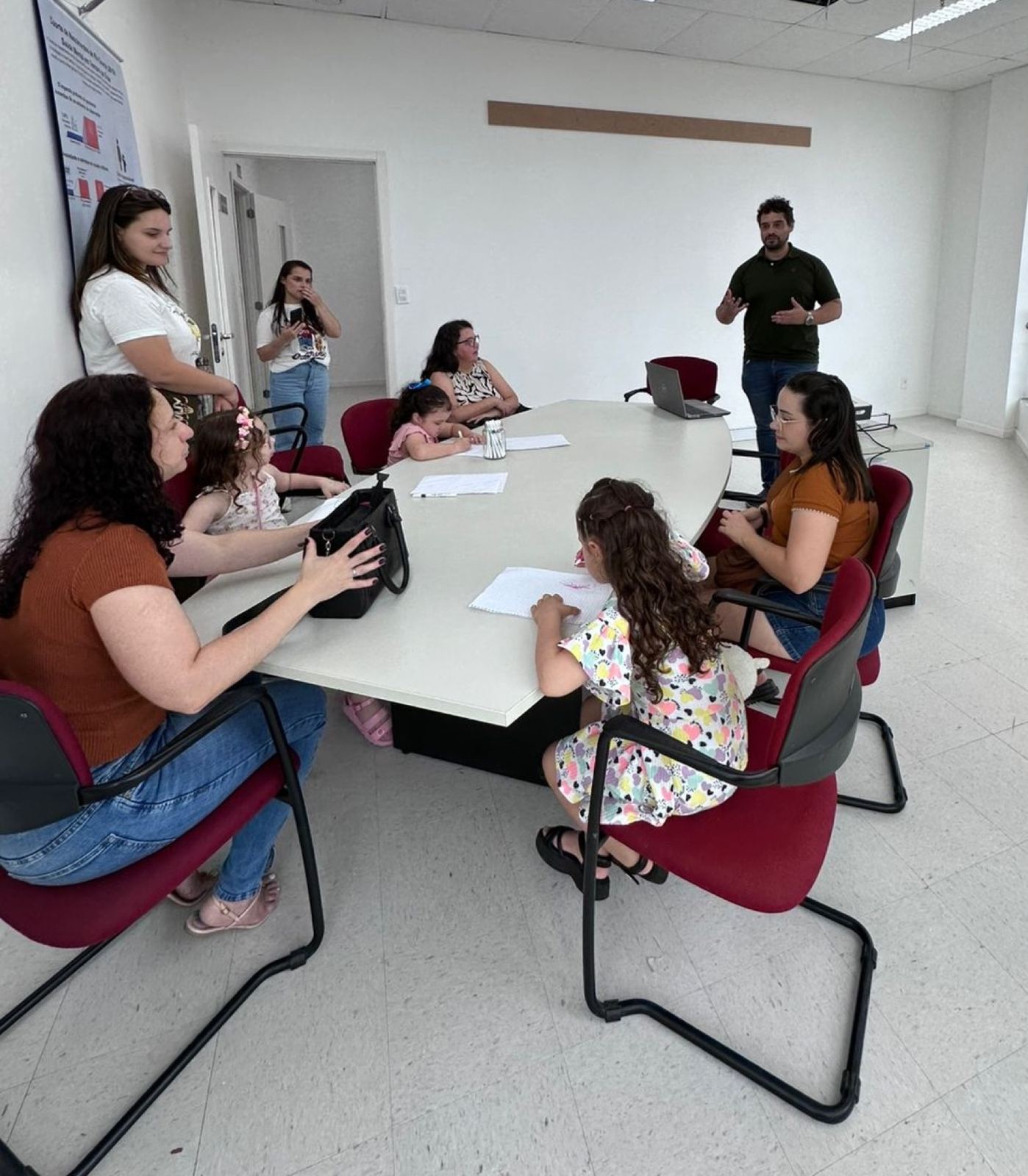
In workshops with mothers and children followed by the Cohort, we asked what we should observe in interactions (face, gaze, gestures, speech) and what to improve in the wearable camera. These conversations are part of the co-design of the cameras in our study.
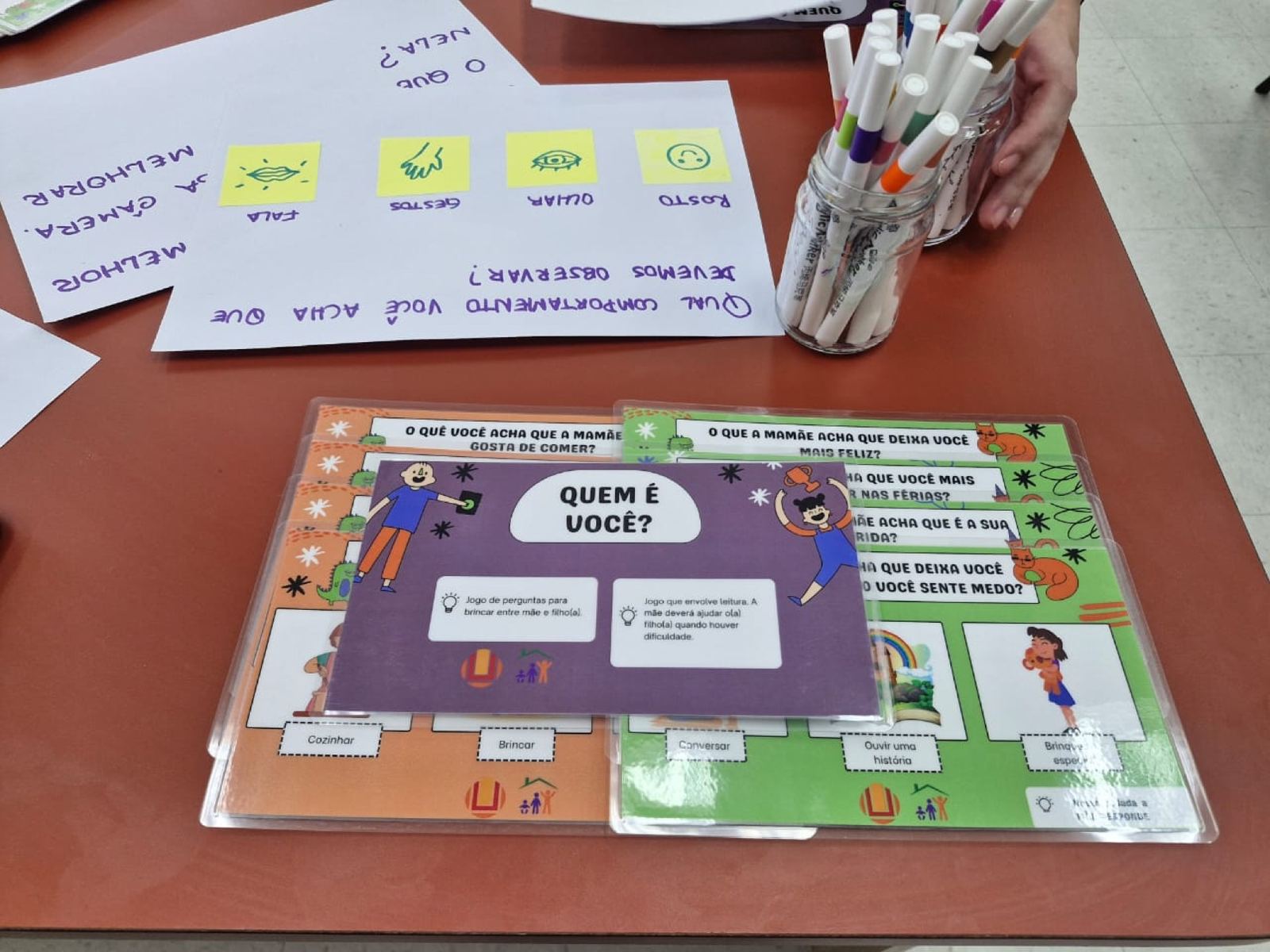
We also brought materials for mothers and children to play together, such as the question game “Who are you?”.
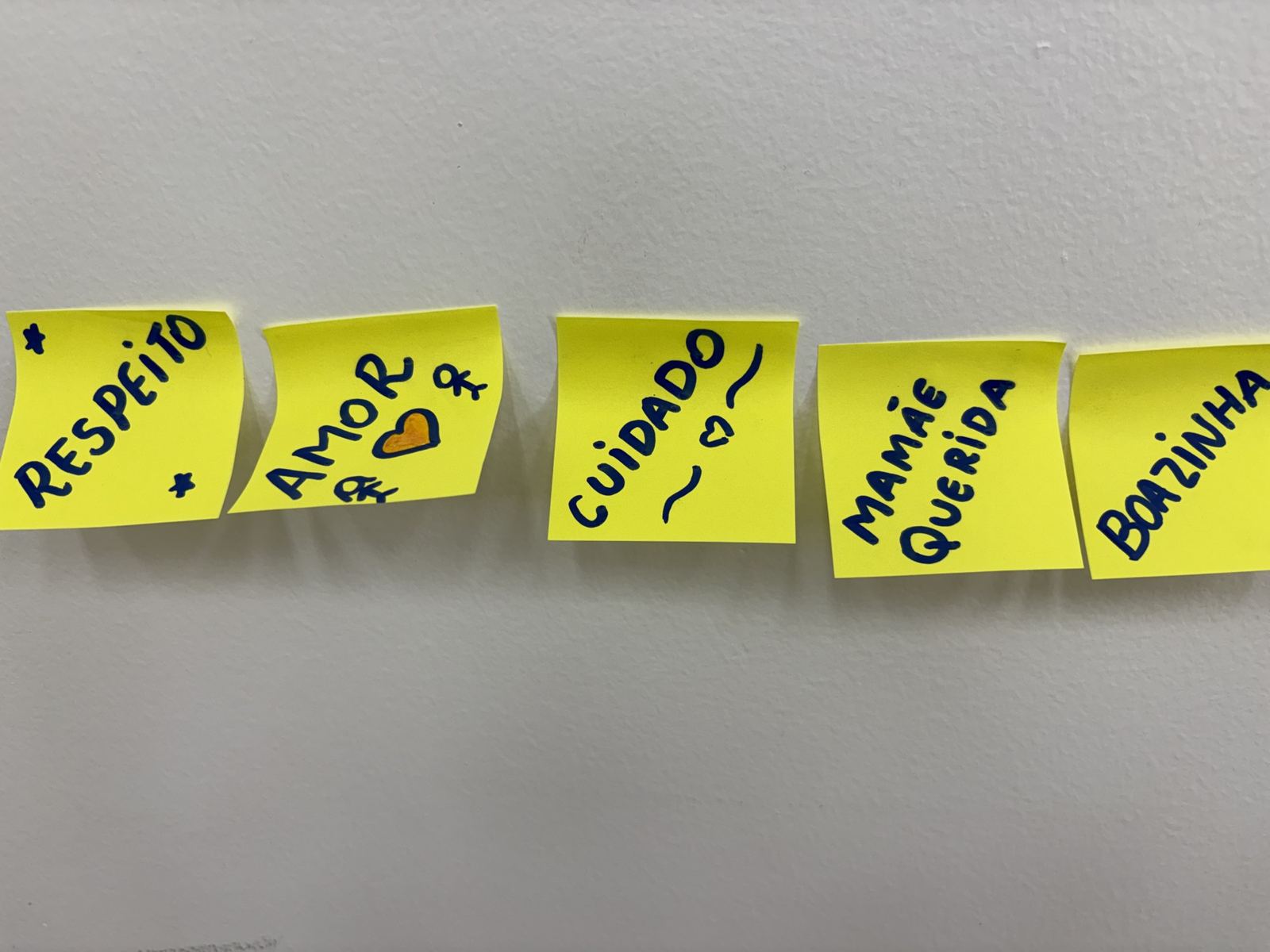
- Love
- Care
- Respect
- Affection
- Friendship
- Play
- Telling stories
- Understanding
- Tenderness
- Dedication
- Teaching
- Family
- Unconditional love
- Mirror
- Challenge
- Dear mum
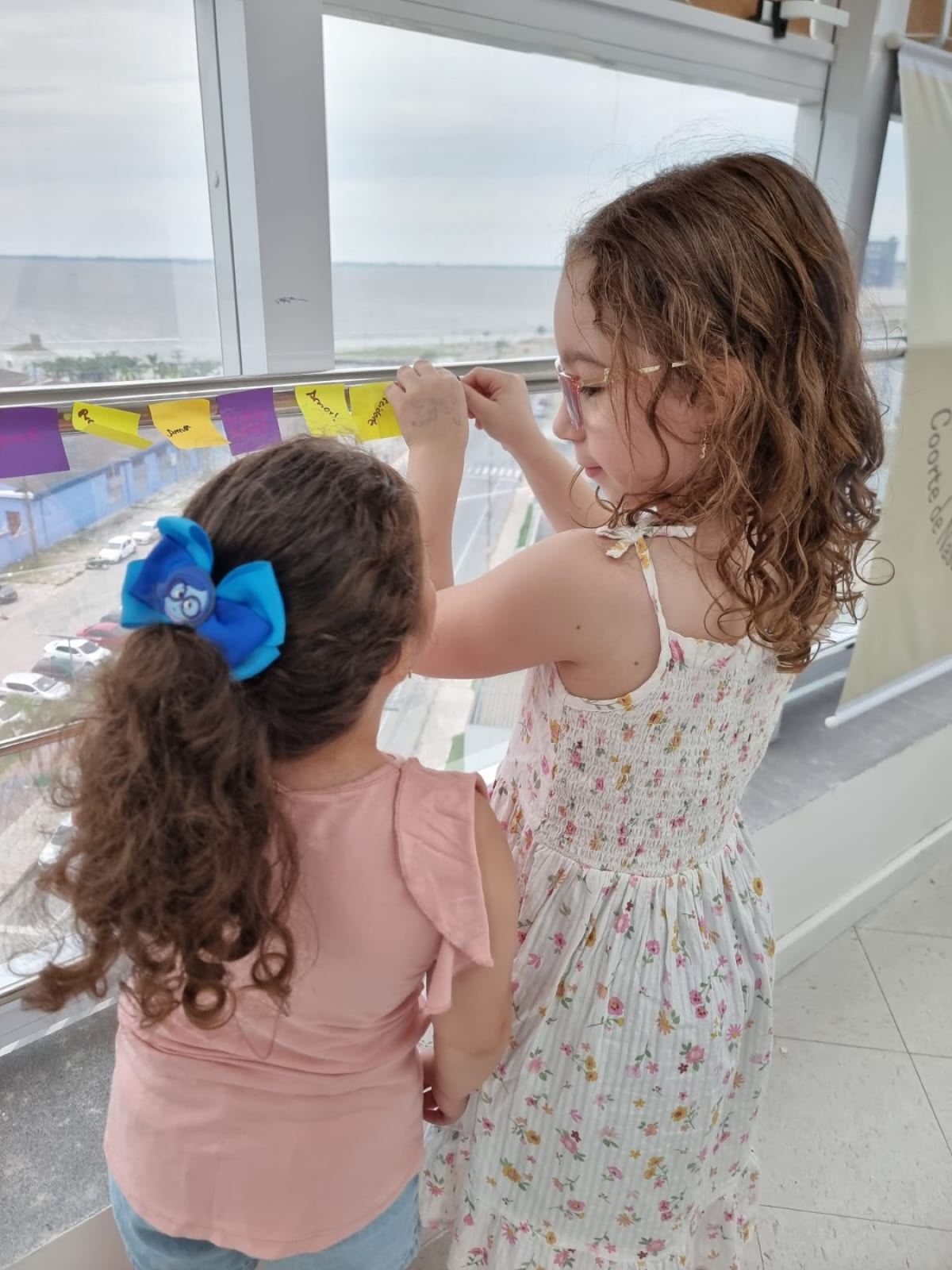
We want to do more and more research with people, not just about them.
Knowledge that can be used
Each article becomes a sentence anyone can understand, always with a reference to the published study.
See all publications-
Mothers' mental health before and during the pandemic
At the first assessment during the pandemic, 29.3% of mothers had probable depression, 25.9% probable generalised anxiety and 40.5% moderate or severe stress. Depression and anxiety increased compared with the period before the pandemic.
Read the article ↗ -
Fears about their children and maternal mental health
Concern about their children's future and fear of passing COVID-19 on to them were associated with higher trajectories of maternal depression and anxiety.
Read the article ↗ -
Division of household tasks and maternal anxiety
A more even division of household tasks was associated with a lower prevalence of moderate or severe anxiety among mothers.
Read the article ↗
The reference article, the Cohort Profile of the 2019 Rio Grande Cohort, summarises what we have built and opens the way to new collaborations. Explore the Cohort
Training that lasts
Meet the teamPart of our impact stays with the people who pass through GPIS. Those who learn here learn by doing, with real data and open questions, in epidemiology, data analysis and longitudinal methods.
- 8
- master's dissertations defended, 2021 to 2026
- 1
- postdoctoral researcher
- 2
- master's students at PPGSP/FURG
- 3
- undergraduate research students
Current team, as listed on the Team page.
Defended dissertations
- 2026
Associação entre sintomas depressivos e viver próximo de espaços públicos de lazer abertos
Felipe Francisco de Castro Passos
- 2024
Associação entre violência por parceiro íntimo e consumo de álcool e tabaco em mães, durante a pandemia da COVID-19, no extremo sul do Brasil
Alex Sandra Avila Minasi
- 2023
Estresse subjetivo e violência por parceiro íntimo praticada contra mães de uma coorte no sul do Brasil durante a pandemia da COVID-19
Denise Lima Meireles
- 2023
Mudança de renda familiar e violência por parceiro íntimo na pandemia por Covid-19: um estudo da coorte de nascimentos de 2019 em Rio Grande – RS
Douglas Pinheiro Caumo
- 2023
O transtorno de ansiedade generalizada esteve associado à divisão desigual do trabalho doméstico durante a pandemia da COVID-19? Estudo transversal desenvolvido no extremo sul do Brasil
Giane Marten Reinheimer
- 2023
Mudanças de hábitos em mães durante o período de isolamento social por COVID-19 no município do Rio Grande, Rio Grande do Sul, Brasil
Jefferson Sales da Silva
- 2022
Fatores reprodutivos associados à depressão perinatal em mulheres no pós-parto precoce no extremo sul do Brasil
Flora Beatriz Proiette Terribele
- 2021
Sono e sintomas de depressão e ansiedade em mulheres no pós-parto imediato: um estudo de base populacional no sul do Brasil
Ingrid Moura Dias
Research built as a network
Explore the networkCollaborative networks broaden questions, methods and perspectives, and make research more robust. We work with partners in the United Kingdom, Chile and Peru.



What we want to build next
We want every finding to return to those who made the research possible.
We are building a longitudinal research platform more connected with society: communities taking part in decisions, findings returned in an understandable way and science closer to everyday life, without giving up scientific rigour.
Opportunities to collaborate
GPIS is open to scientific collaborations, joint projects and partnerships with researchers and institutions.