Thank you for being part of the Cohort
Since 2019, mothers, children and families in Rio Grande have helped us understand how health and care change over the course of life. This page is for you: what we have learned together, how we look after your information and how to contact the team.
What the Cohort is
In 2019, we spoke with 2,313 mothers in the maternity wards of Rio Grande. Since then, we have returned to speak with the same families from time to time.
Birth
The first conversation, in the maternity wards of Rio Grande, shortly after the babies were born.
Pandemic
Because of COVID-19, we spoke remotely about health, family and how you were getting through that period.
New follow-ups
New conversations about mothers' health and children's development.
Post-COVID
The children already in preschool, with more attention to emotional health and development.
Age 6
A new follow-up that also asks about the effects of climate disasters, such as the floods, on families.
Camera study
Fieldwork has already begun: mother and child play a game together wearing small cameras that record the play from each one’s point of view. Only with your specific permission.
What we have learned with you
Each finding comes from a published scientific article. Here is what it means, in a few words.
See all findings-
During the pandemic, more mothers began to show signs of depression and anxiety than before it.
Why it matters: Because we were already speaking with you before the pandemic, we could measure this change, not just take a snapshot of that moment.
-
Worry about their children, such as fear of passing COVID-19 on to them, was linked to greater distress among mothers.
Why it matters: Part of the distress of that period came precisely from caring about the children's safety and future.
-
Sleeping little or with difficulty at the end of pregnancy was linked to more symptoms of depression and anxiety.
Why it matters: Paying attention to sleep can help notice when a pregnant woman needs more support.
-
When household tasks are shared more evenly, fewer mothers have moderate or severe anxiety.
Why it matters: Mothers' health also depends on how housework and care are divided.
-
67.7% of mothers did not know the recommended position to reduce the risk of sudden infant death, and only 1.9% received this guidance during prenatal care.
Why it matters: It shows where care can improve: reinforcing guidance on safe sleep before and after birth.
You also help design the research
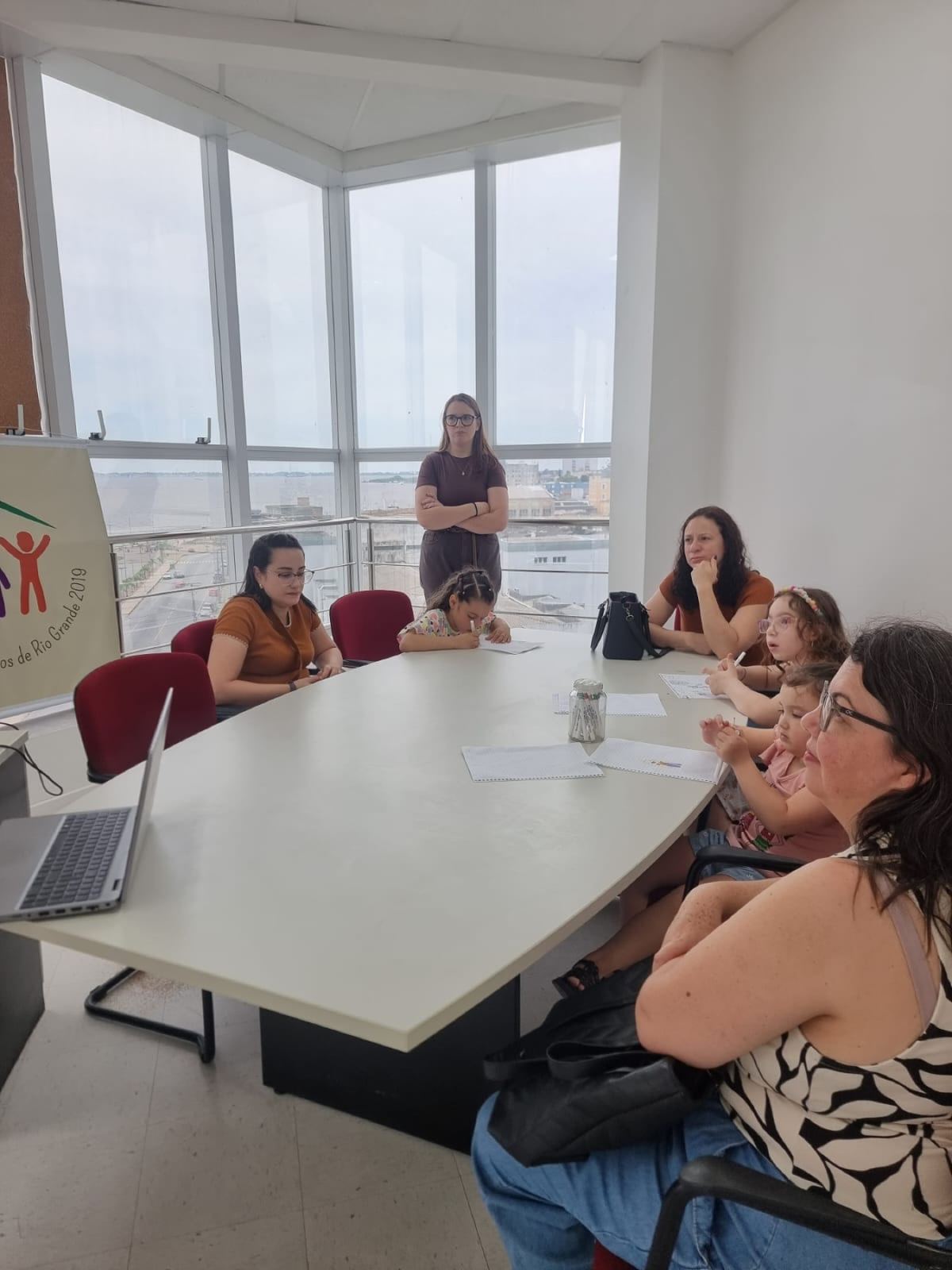
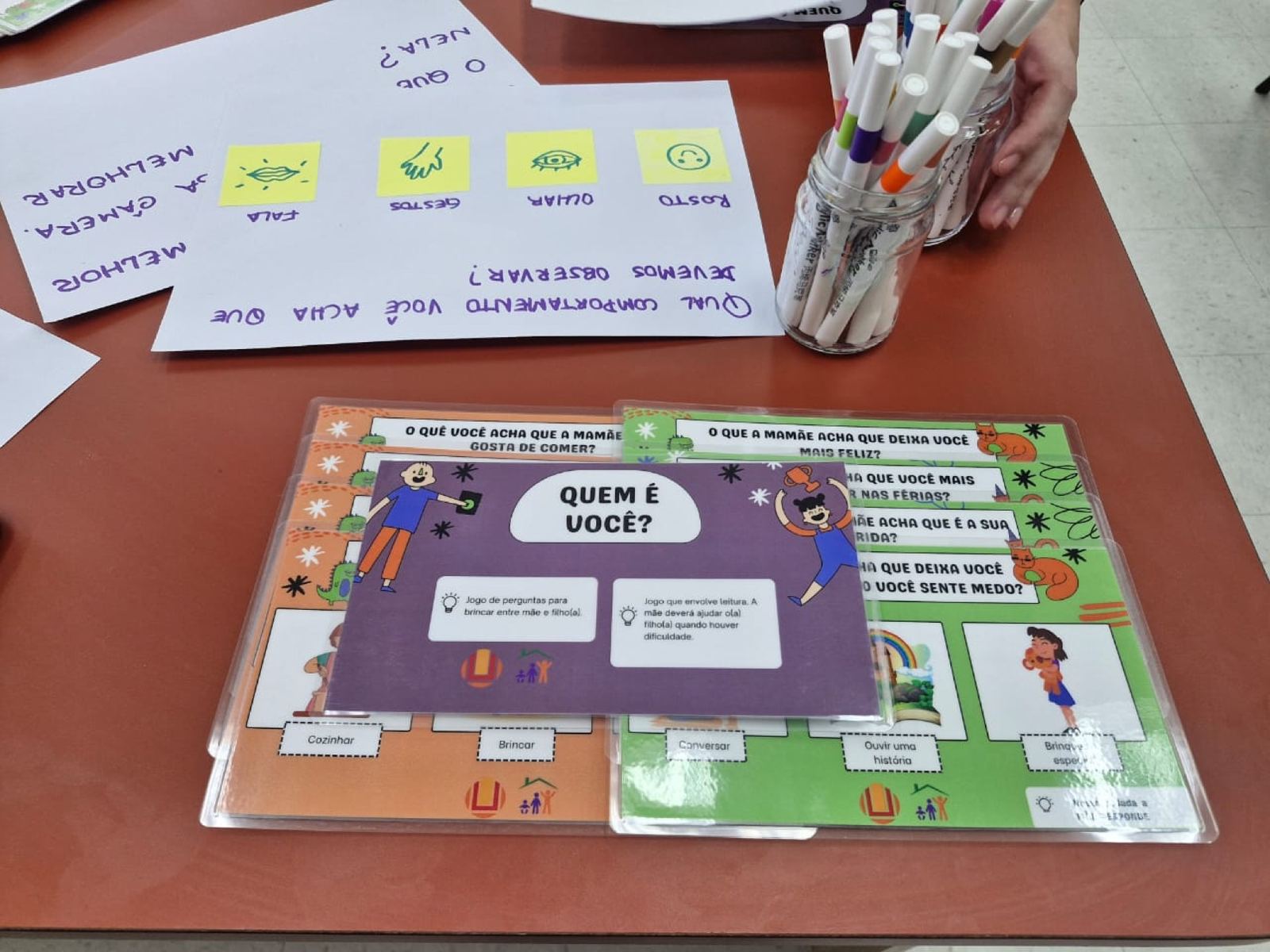
More about the workshopsIn workshops with mothers and children from the Cohort, we asked what we should observe in interactions (face, gaze, gestures, speech) and how to improve the camera used in the study. We also brought games for mothers and children to play together.
How we look after your information
Learn more about the dataVideos only with permission
Camera recordings only happen with your specific permission. Files are kept in a protected place, and only the authorised team has access.
Photos only with permission
The workshop photos were taken and published with the explicit permission of the mothers, who also authorised the use of their children’s images.
Codes instead of names
When Cohort information is linked to other health records, names and documents stay in a restricted environment, and the analyses use codes instead of names.
Any questions?
Talk to the team on WhatsApp, social media or by email. We answer questions about the research, the follow-ups and the findings, and we update your details when you change phone number or address.